An unprecedented opportunity for people and planet
Oil, gas and mineral resources have shaped the political, economic, social and environmental trajectories of societies for generations.
The current context introduces new challenges. The ongoing energy transition is characterized by deep uncertainties—around the pace of changes in demand for fossil fuels and transition minerals, the scale of increase in access to clean and reliable energy and the power of citizens to shape transition agendas that serve their development needs.
But it also has brought tremendous attention to the impact of the extractive sector on people and the planet. And with it, the opportunity for concerted progress to address longstanding inequities for people living in countries with oil, gas and mineral resources.
people live in countries economically dependent on oil, gas or minerals.
$16 trillion
of potential global revenues from copper, nickel, cobalt and lithium over next 25 years.
63%
average gap between projected and actual petroleum revenues across new African oil-producing countries (2001–2020).
40%
of future supply for clean energy minerals will come from countries with weak, poor or failing governance.
Leveraging the transformative power of resource governance
Through our focus on resource governance, we compel and sustain progress. Governance is about the rules of the game; who decides what the future will hold; who benefits; and who is accountable and for what results. Robust governance optimizes resources for sustainable development and more equitable benefit sharing and guards against negative environmental and social impacts. And good governance reinforces long-term prospects for reform.
Why NRGI?
Leveraging two decades of experience, NRGI serves as a trusted convener in an era of increasing polarization and persistent uncertainty. Our knowledge and experience, including deep country expertise and global influence, help shape effective policies and build bridges between decision-makers, impacted communities, and the private sector and between the development and climate sectors. Our commitment to equity helps people, including the most vulnerable, put their needs and ideas at the center of public narratives and decision-making.
What we seek to achieve
People in low- and middle-income, oil-, gas- and mineral-producing countries build inclusive, resilient and prosperous societies, and advance just energy transitions.
Goal One
Transform the governance of minerals, particularly those needed for the energy transition
Maximize equitable economic benefits
Maximize equitable economic benefits within and across mining countries
We support coherent strategies that enhance inclusive value addition, fair mining
agreements and taxation, and accountable revenue management.
Uphold integrity and human rights
Uphold environmental integrity and human rights in mining
We work to ensure mining respects people and ecosystems, through strong governance frameworks and inclusive decision-making.
Combat corruption
Combat corruption in mining
We promote ethical decision-making that enables more responsible production of
minerals.
Goal two
Transform the governance of fossil fuels and advance economic and energy systems beyond oil and gas
Enable equitable revenue management
Enable equitable and accountable fossil fuel revenue management
We help governments and citizens manage and use oil and gas revenues
effectively, equitably and transparently, with a view toward more diversified
economies.
Define new economic paths
Define economic paths to navigate the global fossil fuel phase-out
We help identify and address risks, challenge vested interests and drive effective
energy transition plans.
Enhance sustainable energy supply
Enhance sustainable energy supply
We support and inform decisions about electricity systems that support equitable
socioeconomic development and positive environmental impacts.
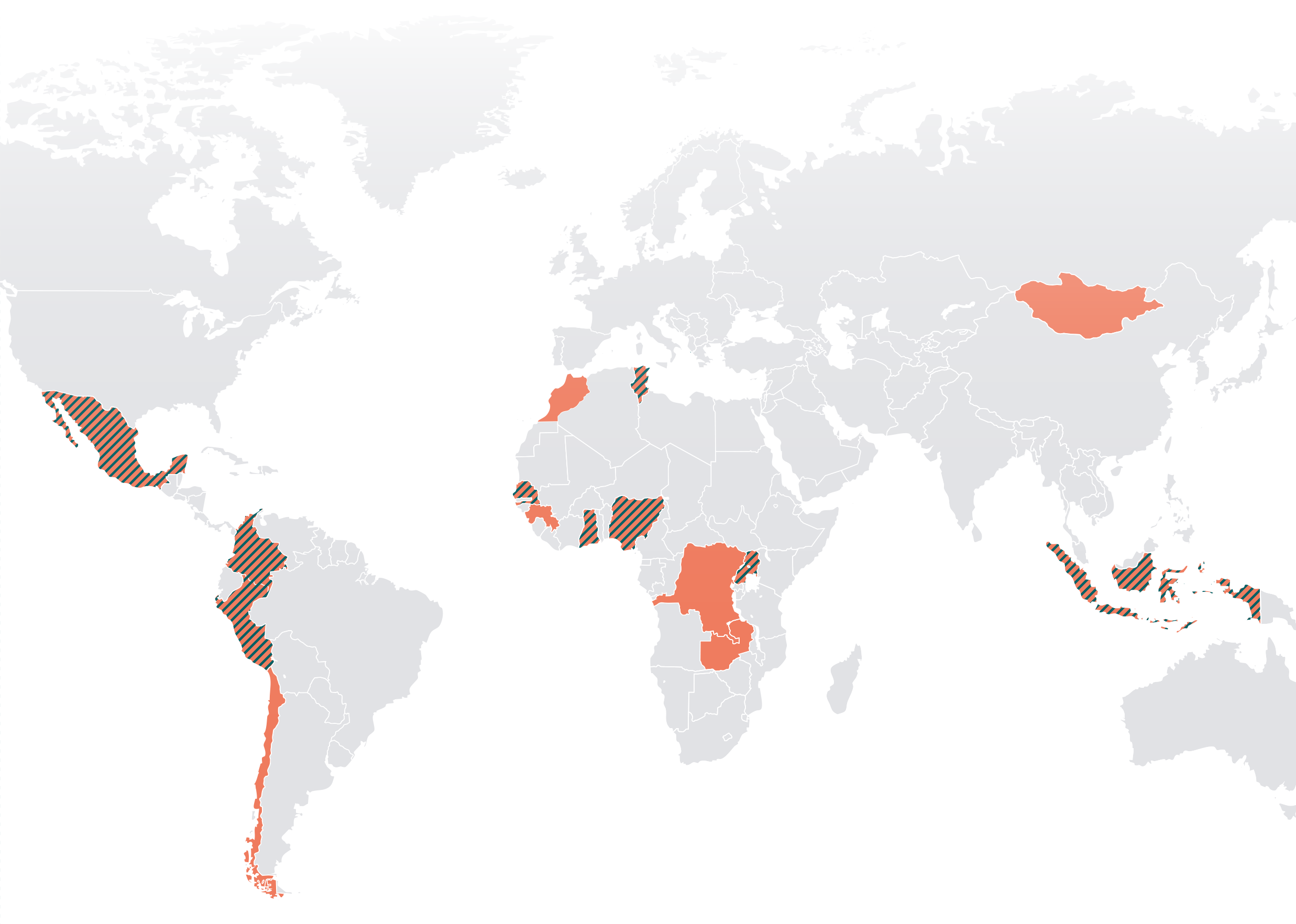
Impact: Where our expertise can play a decisive role, add substantial value and ensure impact.
Stakeholder demand: Where there is demand, openness and opportunities for engagement with both government and accountability actors.
Resource dependence: Where there is significant resource dependence, unless there is an opportunity for significant reform or a potential demonstration effect.
Governance challenges: Where the scale of governance challenges means our interventions can add significant value.